In response to a lawsuit filed by independent journalist Katie Phang, a federal judge has ordered the Department of Justice to “unredact” specific portions of the Epstein files or explain why it could not comply. A redaction is a black mark used to hide names or other material.
CBS reporters Joe Walsh and Daniel Ruetenik write:
A judge on Thursday ordered the Justice Department to either release unredacted versions of several files on the late sex offender Jeffrey Epstein or explain why it can’t do so, following a lawsuit accusing Acting Attorney General Todd Blanche of improperly redacting documents.
U.S. District Judge Emmet Sullivan gave the government until Thursday, July 2, to comply.
The documents in question include eight emails with either the sender or recipient blacked out, a draft indictment of Epstein with the names of potential co-conspirators obscured and a 2019 email that mentions several co-conspirators whose names were redacted. Sullivan also ordered the Justice Department to either release the interview notes behind several FBI documents summarizing unverified allegations against President Trump, or explain why it couldn’t release them.
The court order follows months of controversy over the Justice Department’s handling of the files, which were released in response to a federal law. Millions of records have been made public since December, including photos, emails and law enforcement documents from the federal investigations into the disgraced financier and his 2019 death in pretrial custody.
Lawmakers and Epstein survivors have raised questions about missing or heavily redacted records. The Justice Department has said only about half of the 6 million pages of documents it collected on Epstein would be released, and many of the released files are partially blacked out. The department has said the unreleased documents were either duplicates, unrelated to Epstein or protected by legal privilege.
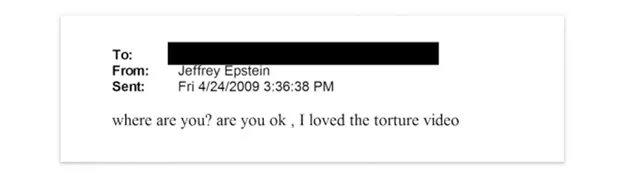
One of the emails covered by Thursday’s order — in which Epstein refers to a “torture video” — drew scrutiny earlier this year after Democratic Rep. Ro Khanna of California and GOP Rep. Thomas Massie of Kentucky questioned why the recipient was blacked out. Blanche later suggested on social media the recipient was Sultan Ahmed bin Sulayem, former CEO of the Dubai-based logistics firm DP World. CBS News has previously reached out to Sulayem for comment.
The department has defended its efforts, arguing the redactions are necessary to protect personal information or victims’ identities.
Thursday’s court ruling was spurred by a lawsuit filed in April by independent journalist and legal commentator Katie Phang over the redactions, which she argues are a “brazen, shocking, and ongoing violation” of the federal law mandating the release of the Epstein files. She asked a judge to order the release of several unredacted files.
The Justice Department responded earlier this month by arguing Phang cannot sue to force the documents’ release because the proper recourse is for her to file a Freedom Of Information Act request. Phang’s lawyers on Wednesday pointed to denials of Epstein-related FOIA requests. The judge then directed the Justice Department to respond by 1 p.m. on Thursday, and after the department missed that deadline, he ordered it to release the documents Phang had requested.


I can see this taking another long time. The Duhpreme Court is about to (rip the heart out of American democracy) rule on a bunch of things and get out of town (so Clarence Thomas can drive his RV). This will eventually go there, another part of the delay tactics that plagued the Biden years. If we had a real justice system, we would not have had to bear another Trump presidential debacle.
LikeLike
I am the guy noted by the judge who made FOIA requests for Epstein documents which DOJ denied. Would love to chat – have more info.
LikeLike
I’m not the person to do that. You should reach out to a reporter at the NYT or WaPo that covers these issues.
LikeLike