Archives for category: Censorship

A 38-year-old woman in McMinn County, Tennessee, was arrested and charged with raping multiple boys at McMinn Central High School.

ATHENS, Tenn. (WATE) – An Englewood woman has been indicted on more than 20 sex charges after investigators say she traded items for sexual encounters with male students who attend McMinn Central High School.

Melissa Blair, 38, is charged with 18 counts of aggravated statutory rape, four counts of human trafficking by patronizing prostitution and one count of solicitation. She turned herself in Tuesday and was booked into the McMinn County Jail on a $100,000 bond. She is not, nor has she ever been, a school employee.

This is the same county where the school board voted unanimously to remove the Pulitzer Prize-winning graphic novel MAUS from the curriculum. They said it was inappropriate because, it contained nudity (of mice)

Seems to me that McMinn town officials and parents have a whole lot more to worry about than a book about the Holocaust. The reading list is the least of their troubles.

Mercedes Schneider writes that it is literally impossible to ban a book that is easily available on the Internet. The school board of McMinn County, Tennessee, voted unanimously to ban a Pulitzer-prize winning graphic novel about the Holocaust called MAUS.

But, she points out, students can find it for free on the Internet.

Furthermore, banning a book is a sure fire way to motivate students to want to read it. They might want to see for themselves the awful words “God Damn” or see nude mice.

Schneider writes:

If parents want to control what their children read, they might consider refocusing their school-district, book-banning attention toward controlling content on their children’s iPhones, iPads, and other electronic devices. As of this writing, three of Art Speigelman’s Maus book series are rated, 2, 3, and 7 on Amazon’s best sellers

In response to the ban, a Knoxville, Tennessee, comic book store is giving away free copies of Maus to students who wish to read the book.

As it stands, readers can also do what my colleague’s son did with Orwell’s Nineteen Eighty-four: Read it online for free. Here’s the first in the series: Maus: A Survivor’s Tale (1986).

(Note that the above text is available on Internet Archive, which is involved in a June 2020 lawsuit brought forth by several publishers. Internet Archive maintains it offers the books under “fair use.”)

Book bans backfire: they increase sales. And they encourage students to seek them out and read them. School boards should not embarrass themselves by acting as censors.

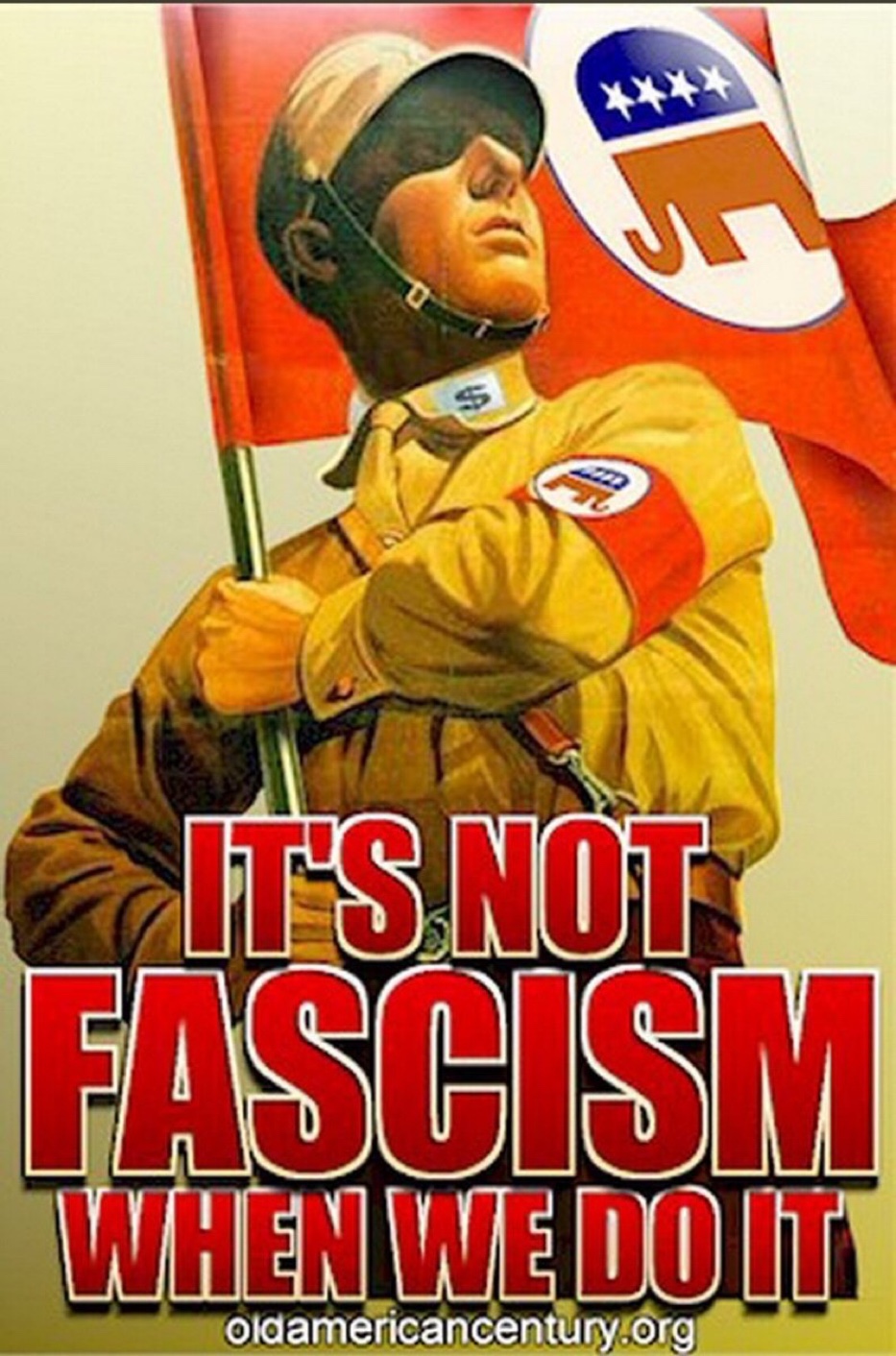
You may recall that a Texas state legislator named Matt Krause released a list of some 850 books that he thought should be removed from school libraries. Even public libraries are under pressure to clear their shelves of the books that Krause identified. The books are about race, racism, sex education, anything related to LGBT, student legal rights, and gender.

This link includes the full list of books that Krause wants to ban.

Yesterday, Christopher Tackett (@cjtackett) tweeted that the book purge has begun in his district.

He wrote:

Today in Granbury ISD, at the High School library, they came with a hand cart and carried away multiple boxes of books tagged with “Krause’s List”.

They can do this because the board voted 7-0 on Monday to change district policy allowing books to be removed prior to a review.

He wrote that students, parents, and teachers protested to the school board but their voices were ignored. The superintendent pushed for the purge and ridiculed the opponents as “gaslighters and radicals.”

Some excellent comments from outside Texas. This one from Hugh G. Merriman:

The parallels are chilling…

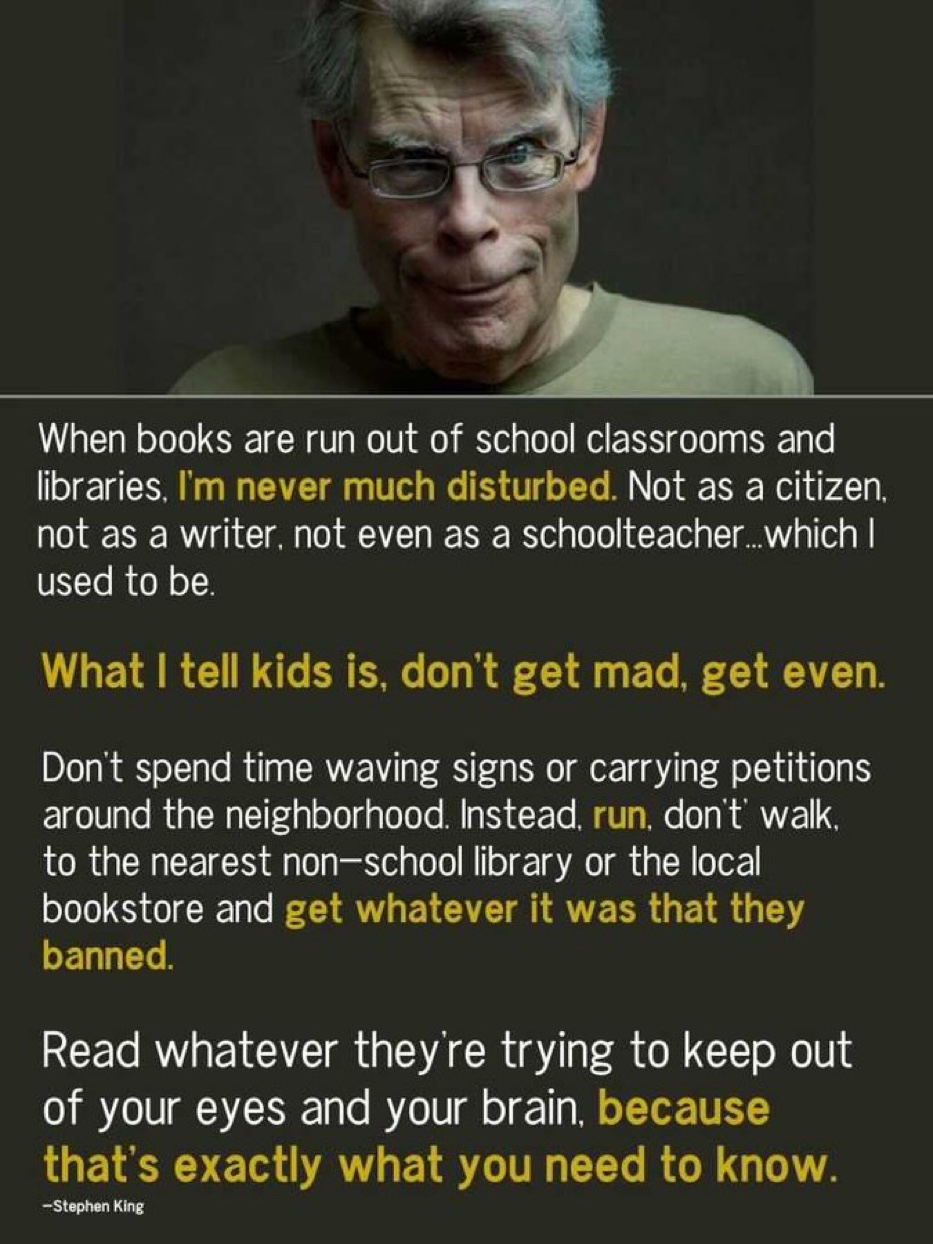
And this advice, quoted from Stephen King:

I disagree with the opening line in the King quote. I am very much disturbed when books are banned from schools and school libraries. Next, they will pull them from the public library, and not many students can afford to buy the banned books. Protest, wave signs, speak up. Be loud. Make noise.

The school board in McMinn County, Tennessee, voted 10-0 to ban the Pulitzer-Prize winning graphic novel Maus from its schools. Board members complained about unacceptable language (“God damn”) and nudity (nude mice). The book by Art Spiegelman is about his father’s brutal experiences during the Holocaust. Presumably, the board wants the story of genocide told in a pleasant, inoffensive way.

Teachers in the district testified on behalf of the book.

The members of the school board heard from English language arts instructional supervisors about why the book was being used in the curriculum, the meeting minutes show.

Board member Tony Allman took issue with how the content would be redacted, and added, “We don’t need to enable or somewhat promote this stuff. It shows people hanging, it shows them killing kids, why does the educational system promote this kind of stuff? It is not wise or healthy,” according to the meeting minutes.

In response, instructional supervisor Julie Goodin countered, “I was a history teacher, and there is nothing pretty about the Holocaust, and, for me, this was a great way to depict a horrific time in history,” the meeting minutes say.

“Mr. Spiegelman did his very best to depict his mother passing away, and we are almost 80 years away. It’s hard for this generation. These kids don’t even know 9/11. They were not even born. For me, this was his way to convey the message,” Goodin continued.Black parents say movement to ban critical race theory is ruining their children’s education

Melasawn Knight, another instructional supervisor, echoed Goodin’s stance that the graphic novel depicts history as it happened, the meeting minutes indicate.

“People did hang from trees, people did commit suicide and people were killed, over six million were murdered,” Knight said.

“I think the author is portraying that because it is a true story about his father that lived through that. He is trying to portray that the best he can with the language that he chooses that would relate to that time, maybe to help people who haven’t been in that aspect in time to actually relate to the horrors of it.

“Is the language objectionable? Sure. I think that is how he uses that language to portray that,” Knight said.

It is not possible to teach the history of the Holocaust without acknowledging organize brutality, savagery, mass murder, and sadism. Teaching the history honestly is no doubt offensive to Nazis, but one imagines they are not a significant bloc in McMinn County. If the school board wants to protect students against the reality of the Holocaust, what are teachers allowed to say about slavery, Jim Crow, lynchings, and the KKK?