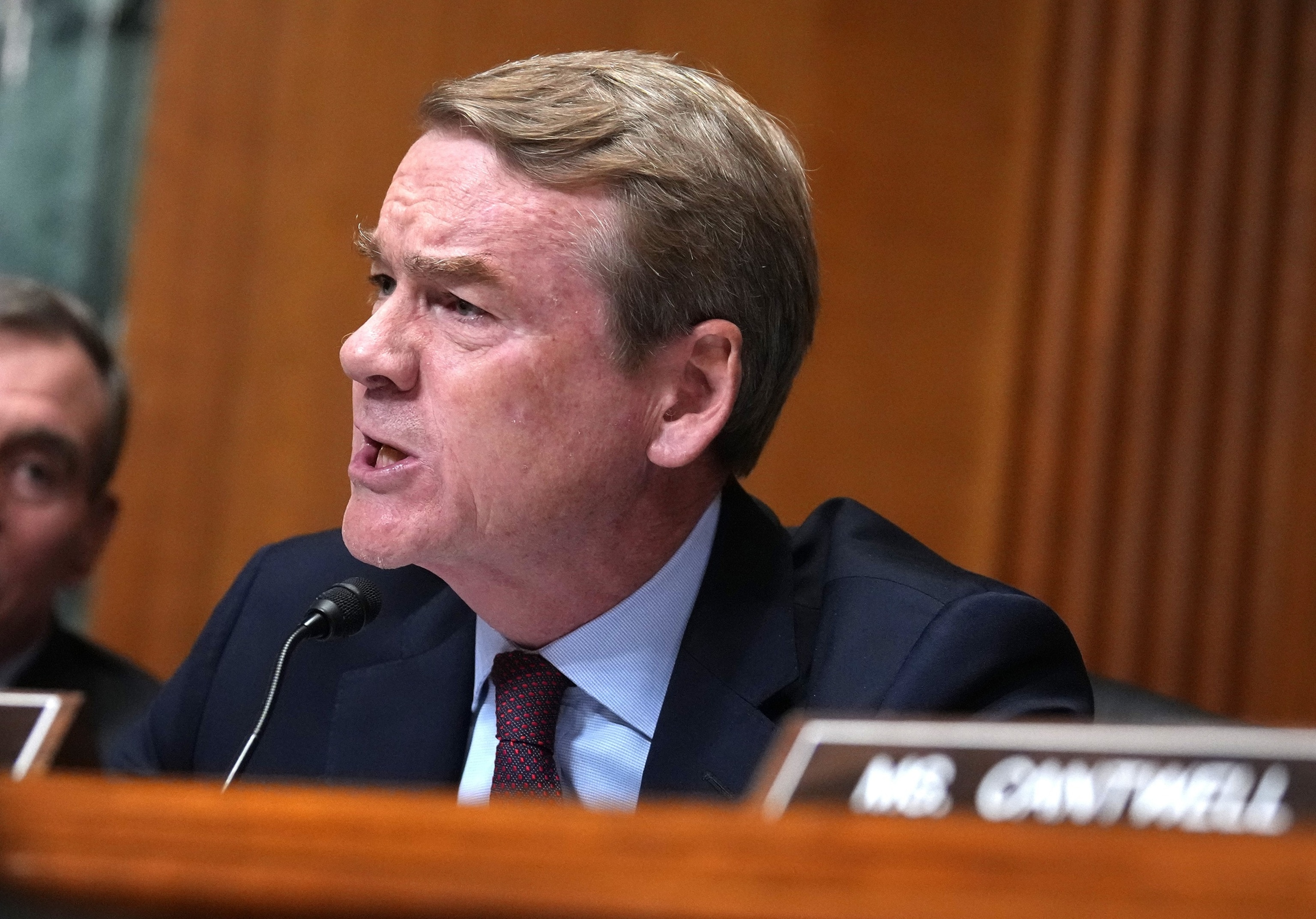
Mike DeGuire, veteran educator in Denver, fears that billionaires are paying the bills for a phony reform group that’s trying to buy the Denver school board. The billionaires find Denver an enticing target because its leading public officials are DFER Democrats: Michael Bennett is a Colorado Senator and a big supporter of charter schools when he was Denver’s Superintendent of Schools; Governor Jared Polis opened charter schools and is a charter cheerleader; Denver Mayor Mike Johnston, a former TFA and state legislator, loves charters and evaluating teachers by their students’ test scores (he sponsored legislation to make teacher evaluation-by-value-added-scores state law).
Please note that the Dark Money groups use names intended to fool the public into thinking they represent parents and families. They don’t.
DeGuire wrote in Colorado Newsline:
School board elections in Denver have become increasingly expensive, and the outcomes often hinge on the amount of money spent by competing groups. According to Chalkbeat, “In Denver Public Schools politics, pro-charter organizations like Denver Families Action are on one side and the Denver Classroom Teachers Association union is on the other.”
In the 2023 Denver Public Schools school board race, Denver Families Action spent nearly $1 million through its independent expenditure committee Better Leaders Stronger Schools, outspending “the Denver teachers’ union 5 to 1.” That election nearly tied the record for all-time spending in a DPS school board race at $2.2 million. For the first time, Denver Families Action also paid for TV ads with dark money that featured Denver Mayor Mike Johnstonsupporting their endorsed candidates.
The money paid off, and all three won.
The Denver Classrooms Teachers Association is rooted in a local, democratic labor process since its funding comes from nearly 4,000 educators.
Denver Families Action, however, is the “political arm” of Denver Families for Public Schools, an organization whose name might suggest local representation yet it is funded by billionaire donors from outside Denver.
The near-historic spending by Denver Families Action in 2023 has its roots in a national strategy spearheaded by billionaires Reed Hastings and John Arnold. In 2018, a leaked presentation described how their new organization, City Fund, planned to invest $200 million to “increase charter school representation up to 50% in over 40 cities.” Denver has been one of their prime targets.
City Fund’s investment highlighted the DPS “portfolio model” which closes or replaces neighborhood schools that fail to meet standardized test-score benchmarks and then reopens them as charter schools. Since implementing the portfolio model in 2007, DPS closed or replaced dozens of neighborhood schools. Today, DPS has more than 50 charters. The model also weakens union influence“by reducing the number of schools whose teachers belong to the union, diminishing the union’s membership — and thus its power and its money.”
City Fund’s strategy has met with some resistance. In 2021, school board members from six cities criticized City Fund and their locally funded “activist groups” writing they “present themselves as local grassroots organizations when nothing could be further from the truth.” They warned that the billionaire-driven privatization erodes local control, divides school districts, and undermines democratic ideals.
Denver’s experience reflects similar concerns. In Denver, financial backing from wealthy advocates of charter schools ensured that pro-charter school board members dominated the board for over a decade. But in 2019, three teacher union-backed candidates unexpectedly won. This raised alarm among charter school advocates who worried the new board might dismantle past reforms, and ongoing enrollment declines also raised concerns.
In response to these events, City Fund helped launch Denver Families for Public Schools with backing from four Denver charter networks: DSST, STRIVE Prep, Rocky Mountain Prep, and University Prep. DFPS’s executive director, Ray Rivera, acknowledged their goal was to elevate the “voices of families who attend these charter schools in Denver and making sure they’re part of the public policy that gets made.”
DFPS received nearly $4 million from City Fund’s political arm, Campaign for Great Public Schools, and in 2024, they merged with another activist group, RootED, which had received over $34 millionfrom City Fund for charter expansion and grants to community organizations. Their combined resources now total about $8 million, allowing DFPS to hire staff, fund charter schools and community groups, pay canvassers up to $36 an hour, and organize advocacy campaigns to elect pro-charter candidates.
DFPS is led by Pat Donovan, the former managing partner with RootEd, who also chairs the board of Rocky Mountain Prep, a charter network with twelve DPS schools. In addition, Donovan serves on the boards of the Colorado League of Charter Schoolsand KIPP Colorado. City Fund CEO Marlon Marshall also serves on the board of Rocky Mountain Prep. These overlapping roles highlight how interconnected the interests of City Fund and Denver Families for Public Schools are, and how DFPS is integral in the school privatizationmovement in Denver.
DCTA’s funding is transparent and tied directly to local educators. By contrast, DFPS’s money originates from a national network of wealthy donors whose priorities do not necessarily align with the entire Denver community. This imbalance means one side can dominate the narrative, drowning out authentic community voices.
When voters receive glossy mailers or see a targeted ad, they may believe they are hearing from grassroots “families” or “students.” However, the spending often comes from the billionaires who fund Denver Families for Public Schools. This is where democracy is at risk. Without transparency, voters cannot fully assess the motives behind the messaging.
Denver’s school board should prioritize issues like equitable funding, strengthening neighborhood schools, and supporting educators. If the dark money spending levels are repeated, or surpassed, in the 2025 races, local priorities risk being overshadowed by billionaire-backed agendas.
The question for Denver voters this fall is straightforward: Will they allow outside money to dictate the future of their public schools, or will they insist on authentic local voices leading the way?

Mike DeGuire, Ph.D., is the vice chair of Advocates for Public Education Policy. He has been a teacher, district level reading coordinator, executive coach, and a principal in the Denver metro area for most of his education career. He also worked as a leadership consultant for several national education organizations, and as an educator effectiveness specialist with the Colorado Department of Education. His writing is also featured on a4pep.org.




 Diane Ravitch's blog