Good news for Kentucky’s public schools and taxpayers! Unlike the Supreme Courts in Ohio and Indiana, Kentucky’s Supreme Court ruled that the State Constitution means what it says.
Kentucky’s Supreme Court unanimously ruled that charter schools are unconstitutional!
What You Need To Know
The court unanimously upheld a lower court’s block of House Bill 9
Justices said charter schools aren’t “common schools” under the state constitution
Public funds for schools outside the “common” system require voter approval
Lawmakers could pursue charter schools only with a constitutional amendment
The court unanimously agreed with a lower court’s decision to block House Bill 9, which would have let publicly funded charter schools open in Kentucky. The justices ruled that charter schools, as they are set up now, are not considered public schools under the constitution, so they cannot get public funds without voter approval.
At issue are Sections 183, 184, and 186 of the Kentucky Constitution, which say the General Assembly must provide an “efficient system of common schools” and that public school funds may be allocated only to this system. The court said charter schools operate outside local school district control, can cap enrollment and are exempt from many regulations governing traditional public schools, placing them outside the constitutional definition of “common schools.”
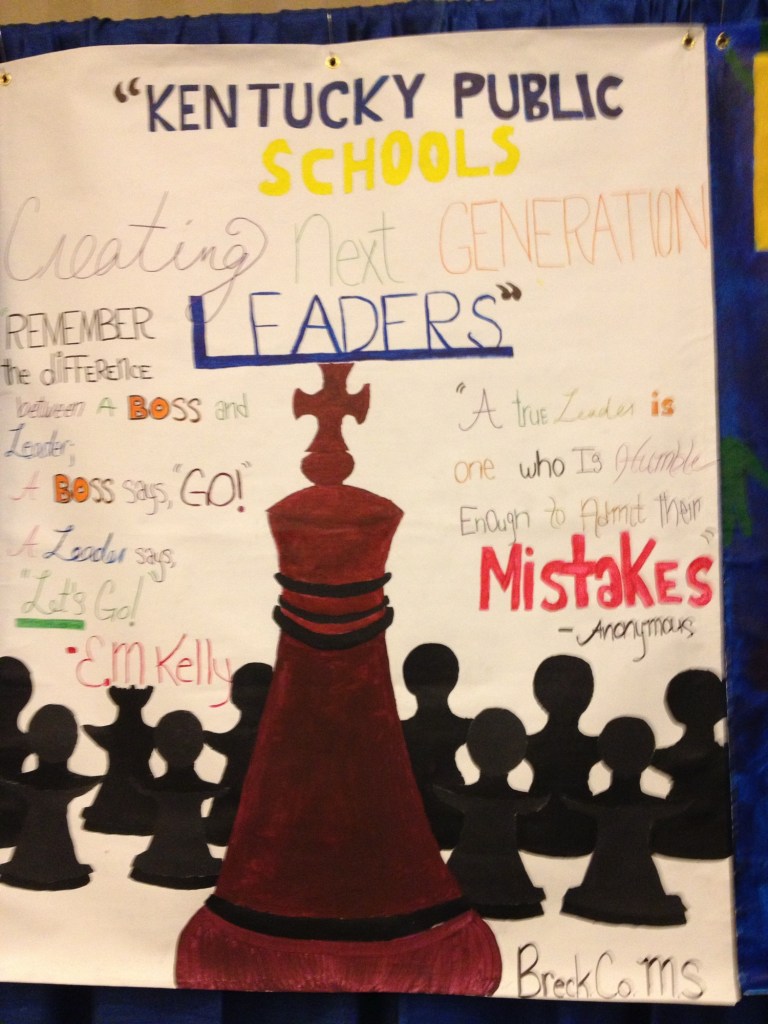
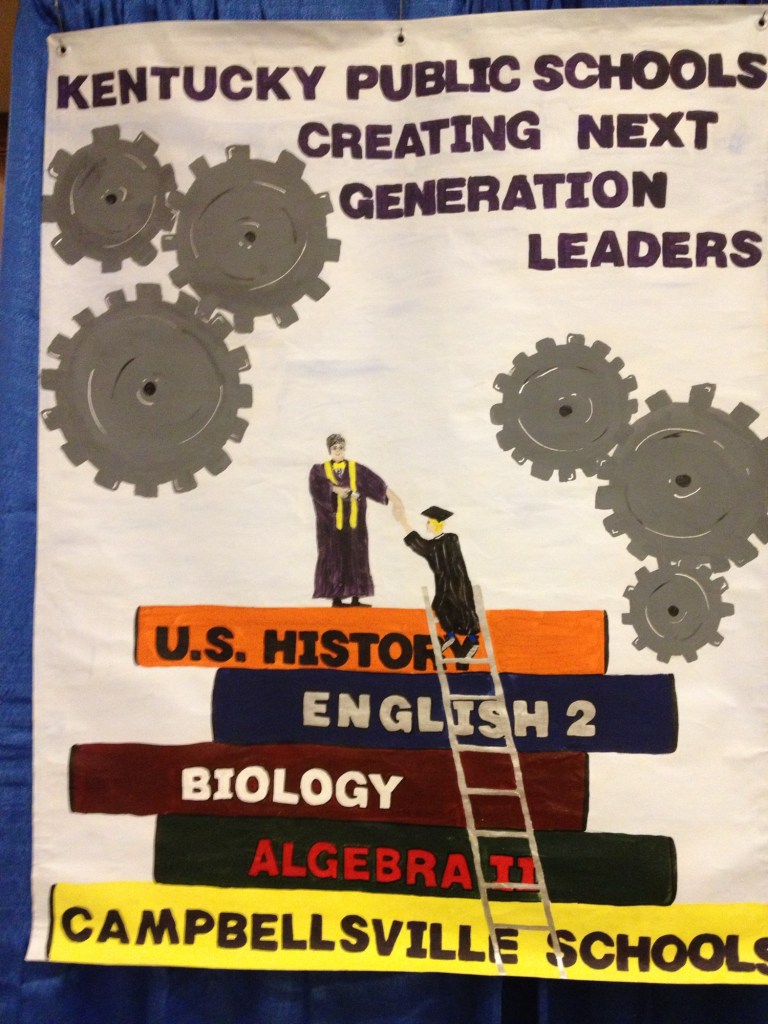
Many years ago, I visited Kentucky to speak to the state school board association. The walls were decorated with banners from school districts. Clearly, the students, parents, and educators of Kentucky are devoted to their public schools. But the charter industry was determined to plant charter schools in Kentucky, even though the State Constitution requires a common school system.


The Kentucky Supreme Court ruled that charter schools are NOT public schools!
From the Lexington Herald-Leader:
The Kentucky Supreme Court ruled Thursday that a Republican-backed bill establishing a statewide public charter school system was unconstitutional.
In a unanimous opinion authored by Kentucky Supreme Court Justice Michelle Keller, the state’s high court struck down 2022’s House Bill 9, which would have allowed approved groups to create and oversee charter schools funded with public education dollars.
Keller wrote that the language of the Kentucky Constitution with regard to the “common schools” system is clear on this front. She cited Section 184 of the document, which set up the public schools system. “The interest and dividends of said fund… shall be appropriated to the common schools, and to no other purpose. No sum shall be raised or collected for education other than in common schools until the question of taxation is submitted to the legal voters, and the majority of the votes cast at said election shall be in favor of such taxation,” the section reads.
Keller’s opinion echoed a lower court ruling from Franklin Circuit Judge Phillip Shepherd. “Charter schools are not ‘common schools’ as contemplated under Sections 183, 184, and 186 of the Kentucky Constitution,” Keller wrote.
Charter schools — schools that are publicly funded but operated by independent groups with fewer regulations than most public schools — are technically legal in Kentucky, but HB 9 would have created a mechanism for funding them with public dollars. The bill legalizing charter schools, but not building in a mechanism to fund them, was passed in 2017 as a priority bill under then-Gov. Matt Bevin, a Republican.
Since defeating Bevin in 2019, Democratic Gov. Andy Beshear has been a staunch opponent of funding charter schools.
Keller wrote that the court’s opinion does not amount to an evaluation of the policy arguments for charter schools, but rather the plain language of the constitution. “We cannot sell the people of Kentucky a mule and call it a horse, even if we believe the public needs a mule,” she wrote.
The law labeled charter schools as part of the state’s public education system but exempted them from many statutes and regulations governing traditional local school districts.
Keller wrote that the “public” label on those schools was something of a misnomer. “Our precedent… requires the system to be ‘unitary and uniform’ and not duplicative. It does not allow for a parallel system which is not within the common school system. A system that calls itself ‘public’ must be accountable to the public. Simply putting the label ‘public’ on something does not make it such,” Keller wrote.
Read more at: https://www.kentucky.com/news/politics-government/article314759611.html#storylink=cpy

 Diane Ravitch's blog
This is great news! I wish my elders who were KY teachers were still alive to see this. There was a time when the welcome signs on the highways had the words, “Welcome to Kentucky where education pays.” I’m so glad charter operators won’t be able to take advantage of the people, especially in parts like eastern KY, which is part of my heritage.
LikeLike